Where travel agents earn, learn and save!




No data found
News / Viking floats out world's first hydrogen-powered cruise ship, the Viking Libra
Viking floats out world's first hydrogen-powered cruise ship, Viking Libra, at Fincantieri shipyard. Zero-emission vessel with 499 staterooms debuts November 2026
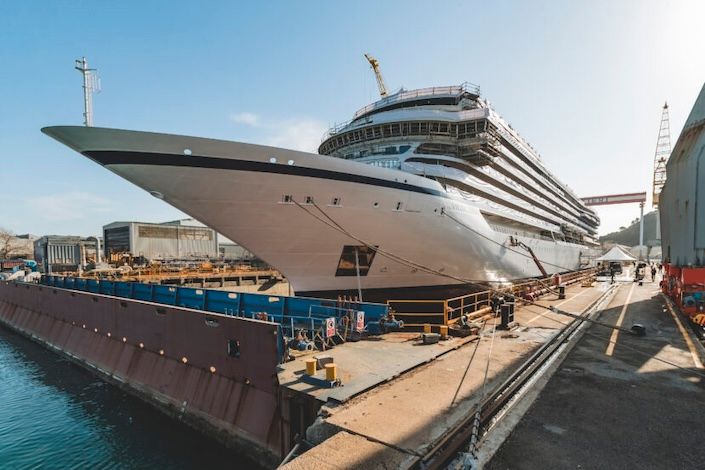
Viking has reached a significant milestone in cruise industry innovation with the float out of the Viking Libra, which the company identifies as the world's first hydrogen-powered cruise ship.
The ceremony took place March 19, 2026, at Fincantieri's Ancona shipyard in Italy, marking the vessel's initial contact with water and its transition into the final construction phase. The groundbreaking ship is scheduled for delivery in November 2026, with inaugural itineraries planned for the Mediterranean and Northern Europe.
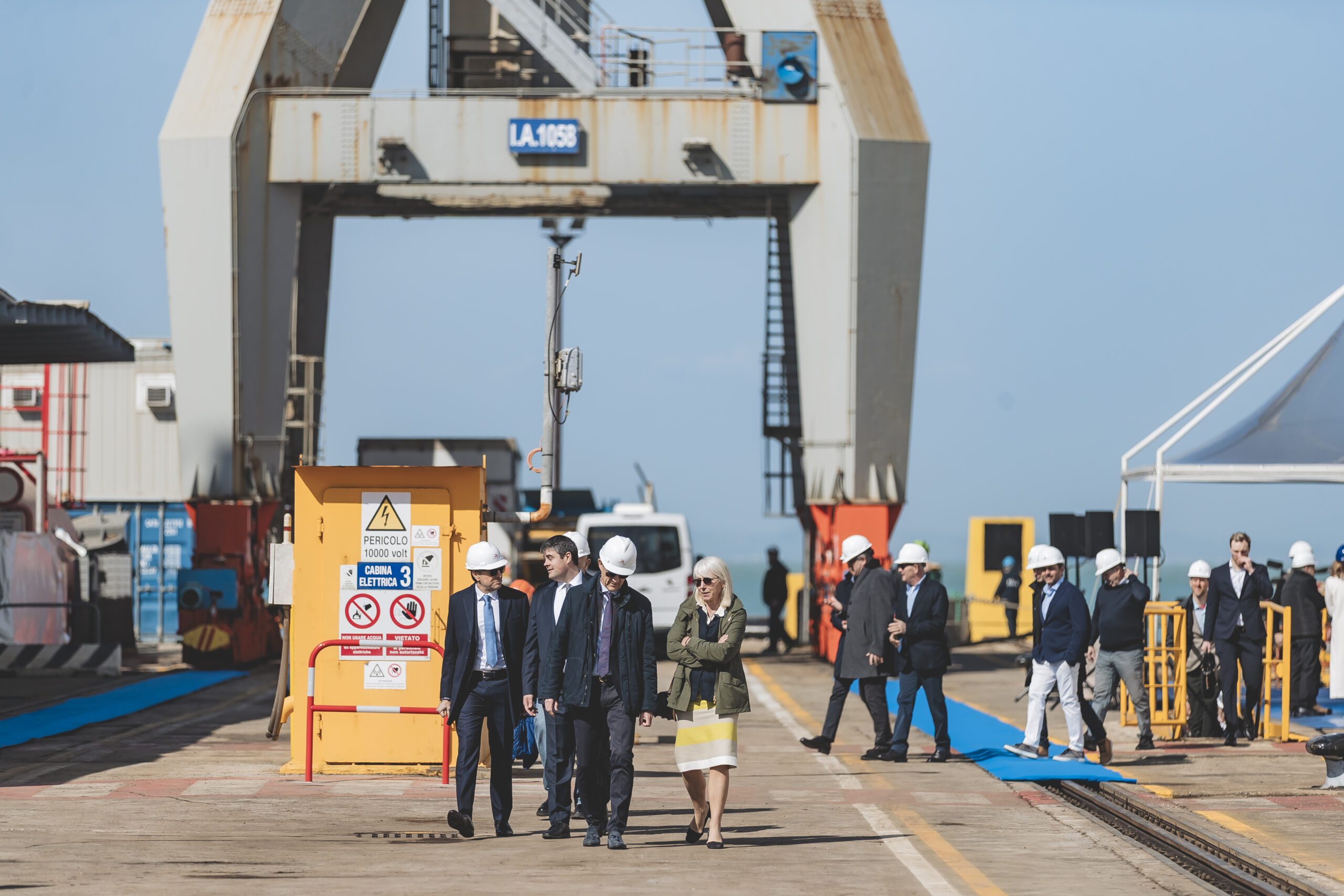
Karine Hagen, Viking’s Executive Vice President of Product, with members of the Viking and Fincantieri teams at the float out ceremony—Credit Viking
Zero-Emission Technology
"From the beginning, our approach to ship design has focused on reducing fuel consumption, and the Viking Libra is our most environmentally friendly vessel yet," said Torstein Hagen, Chairman and CEO of Viking. "Investing in hydrogen was a principled choice for Viking, offering a true zero-emission solution, and we look forward to welcoming the world's first hydrogen-powered cruise ship to our fleet."
Advanced Hybrid Propulsion System
The Viking Libra features cutting-edge technology designed to revolutionize cruise ship environmental performance:
Propulsion Technology:
- Hybrid system incorporating liquefied hydrogen and fuel cells
- Zero-emission operational capability
- Six-megawatt power generation capacity
- Developed in collaboration with Isotta Fraschini Motori, a Fincantieri subsidiary
Environmental Benefits:
- True zero-emission operation during hydrogen-powered mode
- Potential access to environmentally sensitive destinations typically restricted to conventional cruise ships
- Reduced environmental footprint in ports and protected areas
- Advanced sustainability exceeding current cruise industry standards
The innovative propulsion system represents a significant technological advancement over traditional marine engines and even current hybrid systems utilizing liquefied natural gas (LNG).
Vessel Specifications
Consistent with Viking's small ship philosophy, the Viking Libra will offer an intimate cruising experience:
Ship Details:
- Gross tonnage: Approximately 54,300
- Staterooms: 499
- Guest capacity: Up to 998 passengers
- Ship classification: Small ship (Viking ocean fleet standard)
- Propulsion: Hydrogen fuel cell hybrid system
Despite introducing revolutionary propulsion technology, the Viking Libra maintains Viking's signature small ship design, distinguishing it from mega-ships while offering modern, environmentally responsible cruising.
Final Construction Phase
Following the float out ceremony, the Viking Libra will be relocated to an outfitting dock where:
- Final construction work will be completed
- Interior installations and finishing will take place
- Systems testing and commissioning will occur
- Safety inspections and certifications will be conducted
- Crew training and familiarization will begin
This final phase typically encompasses several months of detailed work before a vessel is ready for passenger service.
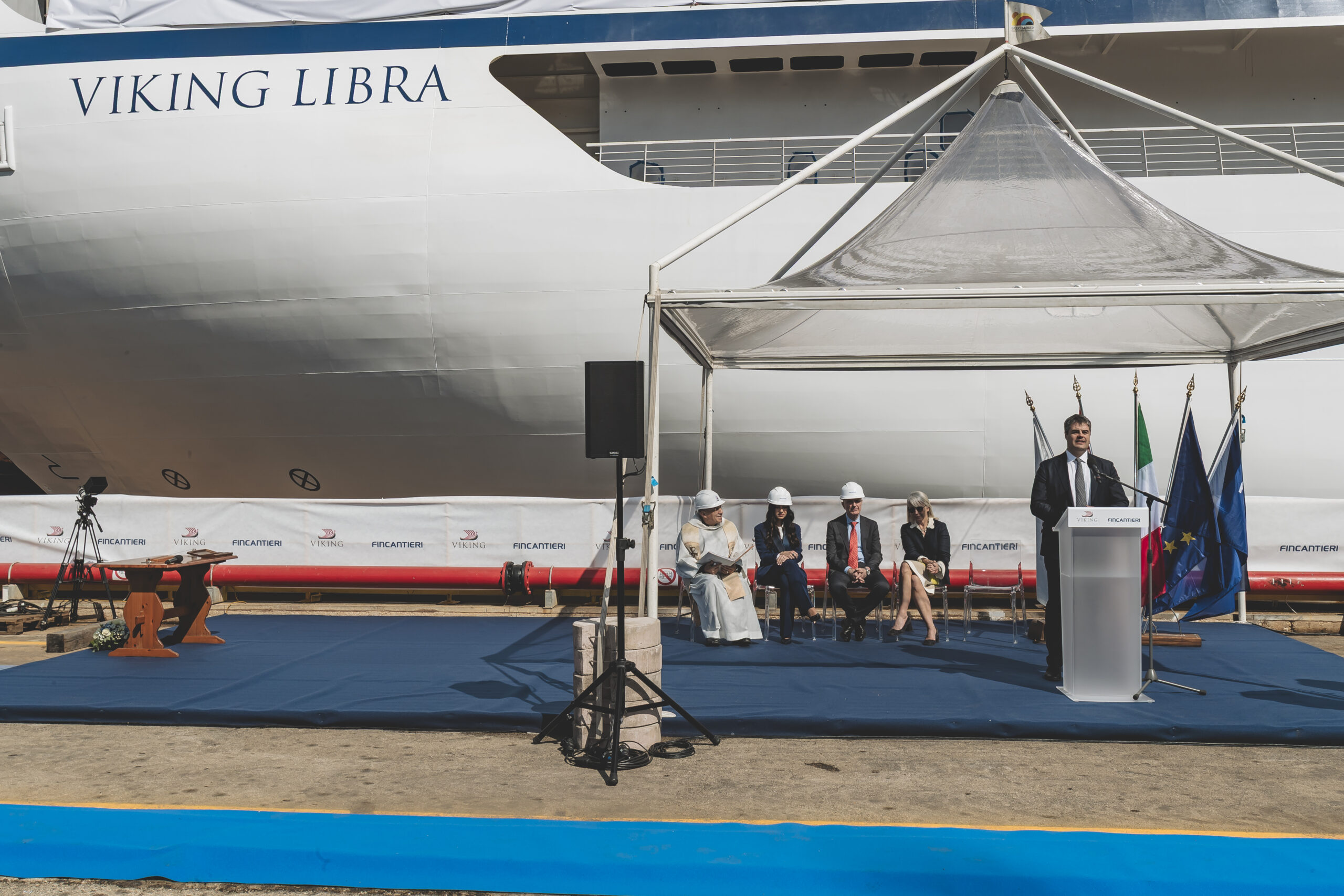
Enrico Prunotto, Viking’s Senior Vice President of Ocean Passenger Operation, thanks the shipyard at the float out ceremony—Credit Viking
Inaugural Itineraries
The Viking Libra's maiden season will showcase two of Europe's most popular cruising regions:
Mediterranean Cruising: Leveraging the ship's zero-emission capabilities to access ports with stringent environmental regulations and protected coastal areas.
Northern Europe: Operating in regions increasingly focused on sustainable tourism and environmental protection, where hydrogen propulsion may provide operational advantages.
Specific itineraries have not yet been announced, but Viking's existing Mediterranean and Northern Europe routes typically feature cultural destinations, UNESCO World Heritage sites, and scenic coastal regions.
Fleet Expansion
The Viking Libra represents the first of Viking's hydrogen-powered vessels, with expansion already planned:
Viking Astrea:
- Second hydrogen-powered vessel currently under construction
- Scheduled for delivery in 2027
- Expected to feature similar propulsion technology and capacity
This two-ship commitment demonstrates Viking's confidence in hydrogen technology as a viable long-term solution for sustainable cruise operations.
Industry Significance
The Viking Libra's float out marks a pivotal moment in the cruise industry's environmental evolution:
Technological Leadership: Viking becomes the first cruise line to deploy hydrogen fuel cell propulsion at scale, positioning itself as an environmental innovator.
Regulatory Alignment: As ports and destinations implement stricter environmental regulations, zero-emission capability may become a competitive necessity rather than merely an advantage.
Industry Influence: Success with hydrogen propulsion could accelerate adoption across the maritime industry, influencing both cruise lines and commercial shipping.
Sustainability Credibility: Demonstrates tangible environmental commitment beyond carbon offset programs or incremental efficiency improvements.
What Float Out Means
The float out ceremony represents a critical construction milestone:
Technical Significance:
- Confirms vessel's structural integrity and watertight design
- Enables testing of ballast and stability systems
- Validates hull construction quality
- Marks transition from dry dock to water-based construction
Schedule Indicator: Float out typically occurs when a vessel is 70-80% complete, suggesting the Viking Libra is on schedule for its November 2026 delivery date.
Industry Tradition: Float out ceremonies are significant maritime events celebrating construction progress and honoring the craftsmanship of shipyard workers.
Hydrogen Infrastructure Considerations
While the Viking Libra's technology is revolutionary, successful operation depends on developing infrastructure:
Bunkering Facilities: Ports will need hydrogen fueling capabilities to support the vessel's operations.
Supply Chain: Reliable liquefied hydrogen supply networks must be established along cruise routes.
Safety Protocols: Ports and shipyards must develop hydrogen handling procedures and safety systems.
Viking's deployment of hydrogen technology will likely catalyze infrastructure development in key European cruise ports.
Looking Ahead
The Viking Libra's November 2026 delivery will mark the beginning of a new era in cruise industry's environmental performance. As the vessel enters service and demonstrates the viability of hydrogen propulsion, it may influence:
- Regulatory frameworks for cruise ship emissions
- Port environmental requirements and incentives
- Competitive dynamics within the cruise industry
- Future newbuild propulsion technology choices
- Passenger preferences for sustainable travel options
For Viking, the Viking Libra and Viking Astrea represent significant investments in environmental leadership, positioning the line as a pioneer in sustainable cruise operations while maintaining the intimate, culturally focused experiences that define the Viking brand.
Source: Travelweek
Lead image caption: Viking Libra is floated out at a ceremony in Ancona, Italy — Credit Viking